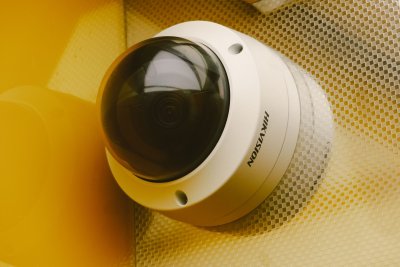
Understanding protection against digital threats and unauthorised access
Cyber security protects computers, networks and data from unauthorised access and attacks. It involves network security, identity management, data protection, application security and incident response.
How do we protect ourselves against malign foreign manufacturers, beit hardware or software?
Hardware and software from any country can pose security risks. Protection requires updating devices, restricting access, assessing manufacturers, and for governments, supply-chain controls and independent testing.
Cyber security involves making attacks harder, limiting damage if they succeed, and enabling recovery. This guide covers personal computers, websites and businesses, with practical controls for each.
Ransomware attack: from first compromise to discovery
Ransomware attacks typically develop over weeks, with attackers gaining access long before files are encrypted. Understanding the stages helps organisations identify and stop attacks earlier.
Cyber attacks typically unfold in stages from reconnaissance to achieving objectives. Real examples show how criminals exploit trust, weak access controls and software vulnerabilities rather than sophisticated technical skills.
Phone monitoring is illegal without consent in most countries. It's permitted for parents monitoring children, employers monitoring company devices, and device owners, using approved tools with proper authorisation.
What led to Saddam Hussein's downfall and eventual execution?
Saddam Hussein's execution resulted from complex political, economic and military factors including WMD claims, oil interests, regional opposition and documented human rights abuses rather than any single piece of knowledge.
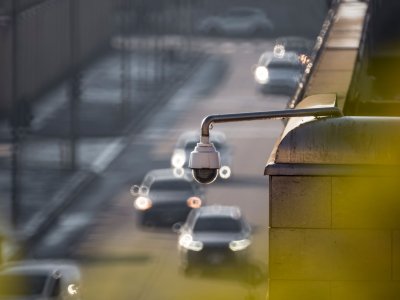
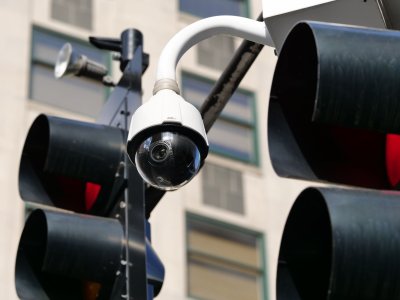
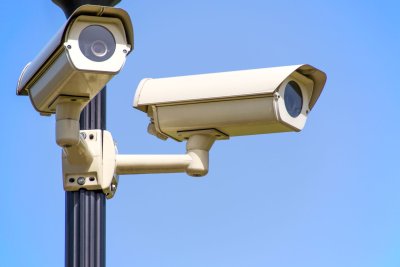
Using AI cameras to monitor streets can reduce manual interference and minimise corruption. Here's how.
AI-monitored street cameras can automate enforcement, create transparent records and reduce officers' discretionary power, potentially minimising corruption and bribery opportunities.
What manpower savings could AI cameras bring to policing?
AI cameras could automate traffic enforcement, incident detection and surveillance, potentially freeing up officers for other work, though implementation requires significant investment and raises ethical concerns.
AI cameras monitoring local streets raise privacy, security, ethical and technical concerns
AI street cameras pose risks including privacy invasion, data security breaches, algorithmic bias, lack of transparency, technical inaccuracy, and public distrust, requiring robust oversight and regulation.
How AI cameras monitoring local streets can improve traffic, safety, planning and the environment
AI cameras on priority streets improve traffic flow and emergency response, enhance public safety, inform urban planning, monitor pollution, and support economic development whilst raising privacy considerations.
Separating credible evidence from geopolitical accusations of Iranian spying
Iran, like most countries, has intelligence operations, but espionage accusations require careful evidence evaluation rather than broad generalizations influenced by geopolitical tensions.