· Updated · No. 138
Bitcoin is a peer-to-peer digital currency created in 2009. It uses blockchain technology, mining to validate transactions, and a decentralised network of computers instead of banks.
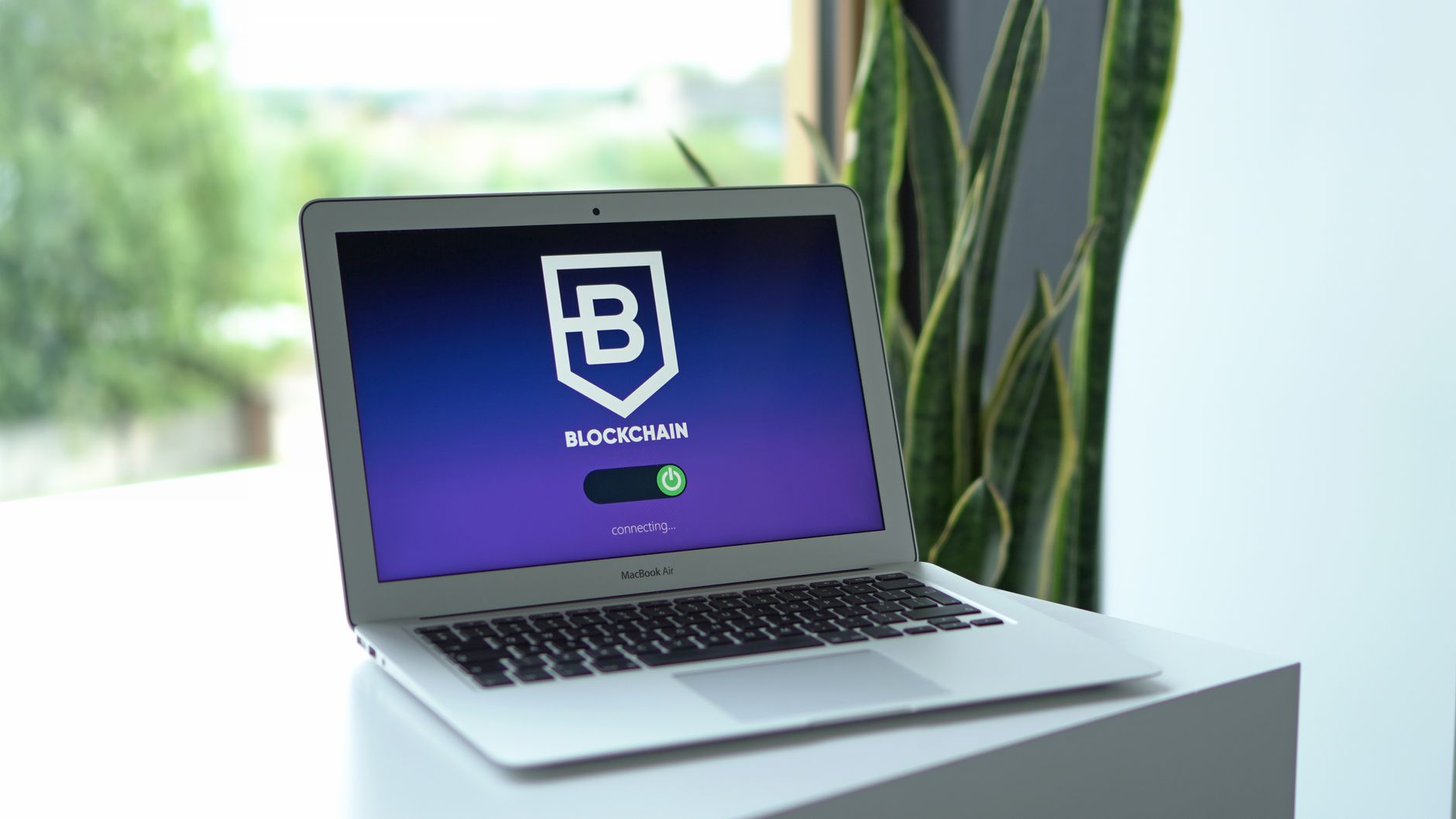
Bitcoin is the first and most well-known cryptocurrency, created in 2009 by an anonymous person (or group) using the name Satoshi Nakamoto. It was designed as a peer-to-peer digital cash system without the need for banks or intermediaries.
Blockchain: Bitcoin transactions are stored in blocks that are linked together in a public ledger.
Mining: New bitcoins are created through a process called mining, where computers solve complex math problems to validate transactions.
Wallets: Users store bitcoins in digital wallets, which have a public address (like an account number) and a private key (like a password).
Decentralized: No central authority or government controls it, it's maintained by a global network of nodes.
Limited Supply: Only 21 million bitcoins will ever exist.
Pseudonymous: Users aren't tied to real names, transactions are linked to addresses.
Divisible: 1 bitcoin = 100,000,000 satoshis.
Use Cases: Buying goods, investing, storing value (like digital gold), or transferring funds globally.

Comments
No answered comments yet. Yours could be the first.
Add a comment
Your email address is needed so we can reply, and is never shown on the site. Comments appear here once they have been answered.