Following illicit funds from a ransomware payment to a clean bank account
· Updated · No. 126
Criminals convert illicit funds to crypto, use mixers and privacy coins to obscure the trail, then layer transactions through NFTs and decentralised finance platforms before cashing out as clean money.
A step-by-step walkthrough of how crypto is used to launder money, from dark web earnings or stolen funds all the way to a clean bank account.
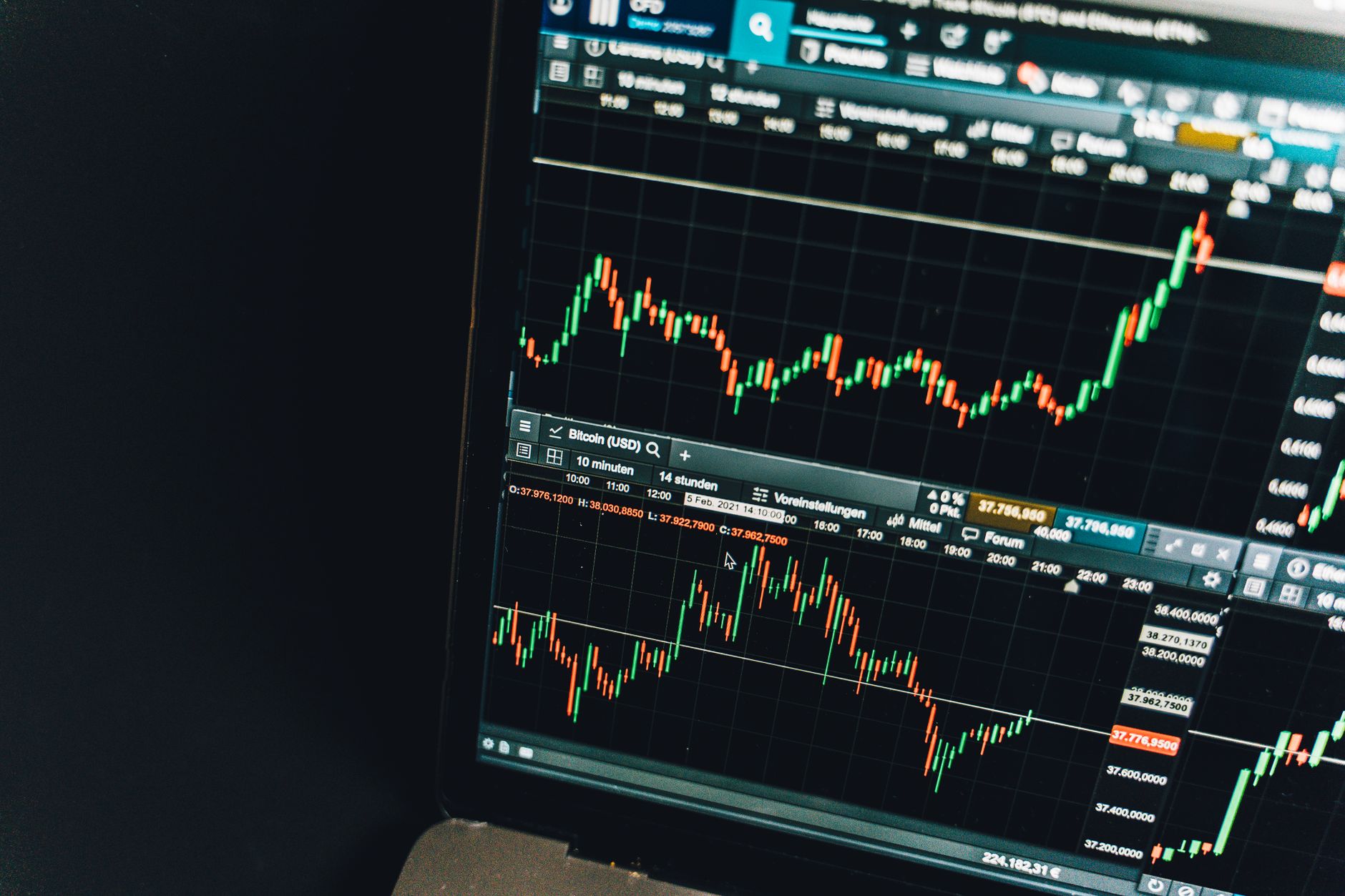
Let's imagine someone just earned illicit funds, say, from a ransomware attack or a corrupt state contract. Here's how they can â'clean' it using modern crypto tools:
The launderer uses an unregulated or offshore crypto exchange (e.g., in Russia, UAE, Seychelles) to convert cash or bank transfers into Bitcoin (BTC) or Tether (USDT).
No ID checks required.
Goal: Enter the crypto system anonymously.
The BTC is sent through a mixing service (like Tornado Cash, ChipMixer, or Blender.io).
These services pool thousands of transactions and then reissue the coins, breaking transaction trails.
It,s like swapping your marked bills with someone else's, and walking away clean.
The freshly mixed coins are now exchanged for Monero (XMR), a privacy coin with untraceable transactions.
This is done through peer-to-peer (P2P) platforms or decentralized exchanges like Uniswap or Bisq.
This step adds an extra cloak of invisibility.
The launderer buys a worthless NFT they created themselves, or one owned by a partner.
The price is inflated, e.g., $200 becomes $200,000, and paid with Monero or ETH.
The NFT is then sold to a legitimate buyer or moved to another wallet as an 'art investment'.
This converts illegal money into an 'asset' with market value.
Layered enough times, the crypto looks like it was earned through legit DeFi activity.
Funds are withdrawn as:
Now the money is 'clean' and almost impossible to trace to the original crime.
Immediately funneled it through:
Tornado Cash
Multiple wallet layers
Exchanges in Asia
U.S. Treasury later traced part of it to weapons development funding.

Comments
No answered comments yet. Yours could be the first.
Add a comment
Your email address is needed so we can reply, and is never shown on the site. Comments appear here once they have been answered.