A fraternal organization with medieval origins, rituals and charitable mission
· Updated
· No. 44
The wider world - Secret societies - Bilderberg and Freemasons
Freemasonry is a fraternal society originating from medieval stonemason guilds, organized into lodges with ritual degrees, promoting moral development, fellowship and charity worldwide.
Freemasonry is a fraternal organization that traces its origins to the medieval guilds of stonemasons. It is one of the oldest and most widespread fraternal societies in the world, with millions of members globally. Freemasonry is characterized by its rituals, symbols, and traditions, which are intended to promote moral and spiritual development, fellowship, and charitable work.
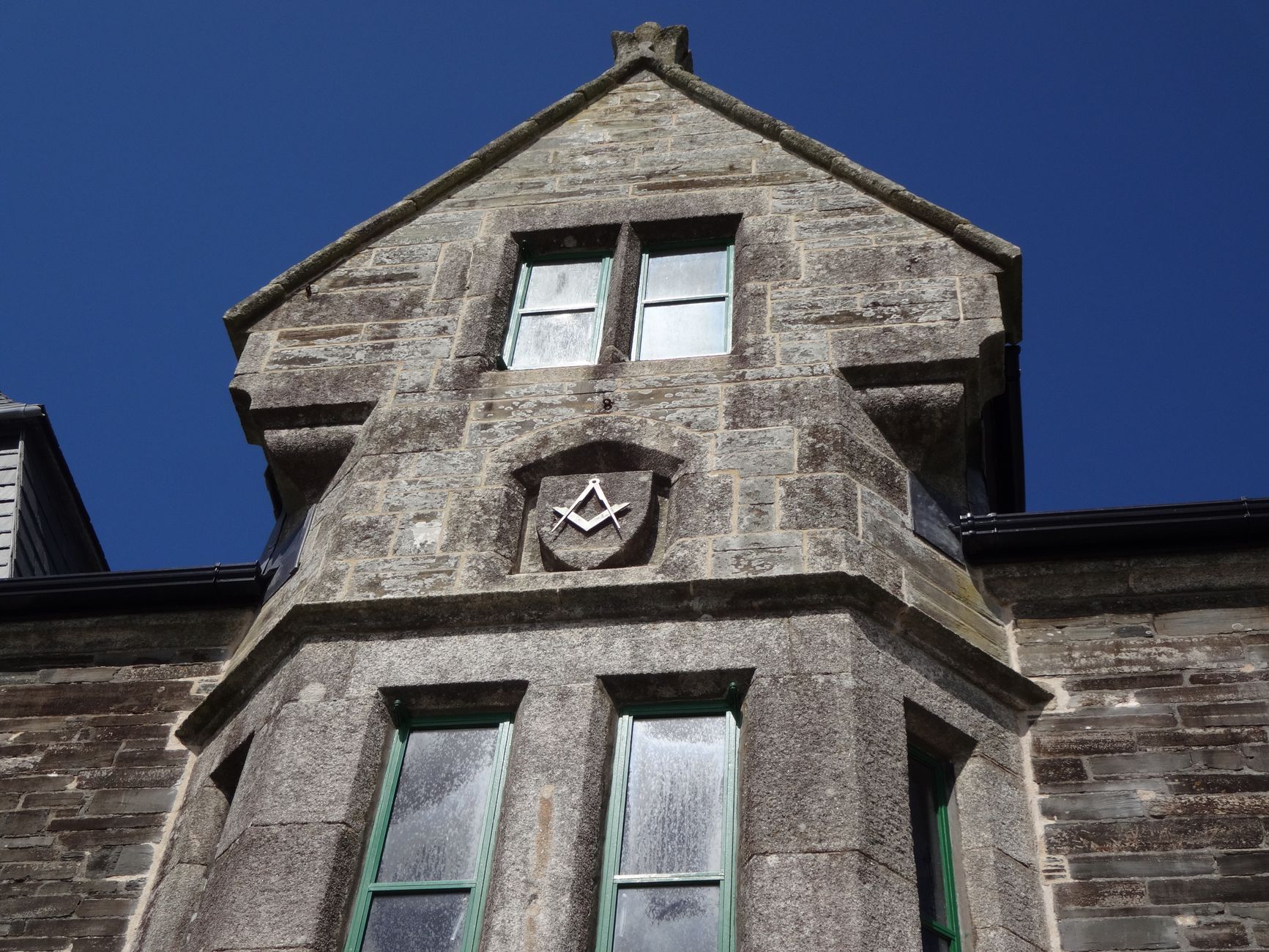
The square and compasses, central symbols in Freemasonry that originated in medieval stonemason craft Photo by Jatman 0007 on Pexels
Origins: Freemasonry emerged from the guilds of stonemasons who built the cathedrals and castles of medieval Europe. The earliest documented references to Freemasonry date back to the late 16th and early 17th centuries in Scotland and England. Over time, Freemasonry evolved from operative (practicing masonry) to speculative (non-practicing) form, focusing on moral, philosophical, and symbolic teachings.
Core Principles:
Brotherhood: Freemasonry promotes a sense of brotherhood and fellowship among its members, emphasizing mutual respect, support, and solidarity.
Morality: Freemasonry encourages its members to uphold high moral and ethical standards, promoting virtues such as honesty, integrity, and charity.
Tolerance: Freemasonry advocates for tolerance, inclusivity, and respect for diverse religious, cultural, and philosophical beliefs.
Charity: Freemasonry is known for its philanthropic efforts and charitable work, supporting various causes, including education, healthcare, disaster relief, and community development.
Structure and Organization:
Lodges: Freemasonry is organized into independent local units called lodges, each of which is governed by a set of officers and follows its own rituals and traditions.
Grand Lodges: Lodges are typically grouped under regional or national Grand Lodges, which oversee their activities, set standards, and coordinate fraternal events and initiatives.
Degrees: Freemasonry employs a system of symbolic initiation rites or degrees, typically consisting of three degrees: Entered Apprentice, Fellow Craft, and Master Mason. Each degree conveys moral and philosophical teachings through allegorical rituals and symbols.
Symbols and Rituals:
Freemasonry is rich in symbolism, using various symbols, such as the square and compasses, the apron, the trowel, and the tracing board, to convey moral and spiritual lessons.
Rituals: Freemasonry employs ceremonial rituals and catechisms to initiate new members, confer degrees, and convey moral teachings, often steeped in allegory and symbolism.
Membership:
Freemasonry is open to men of good character who believe in a Supreme Being, regardless of their religious affiliation or background.
Membership is voluntary, and individuals must petition a lodge for admission, undergo a process of investigation, and be accepted by a vote of the lodge's members.
Women and non-binary individuals may join affiliated organizations, such as the Order of the Eastern Star, which are associated with Freemasonry but operate separately and independently.
Secrecy and Privacy:
Freemasonry has historically been characterized by a degree of secrecy and privacy, with its rituals, ceremonies, and teachings traditionally kept confidential among its members.
However, Freemasonry is not a secret society, as its existence, activities, and membership are publicly acknowledged, and many lodges openly engage in community service and charitable work.
Legacy and Influence:
Freemasonry has had a significant impact on history, culture, and society, with many prominent figures, including statesmen, intellectuals, artists, and philanthropists, being members of the fraternity.
Freemasonry's influence extends to various fields, including politics, literature, architecture, and philanthropy, shaping the values, ideals, and institutions of modern civilization.
Overall, Freemasonry is a diverse and multifaceted fraternal organization that promotes fellowship, moral development, and charitable service among its members, while also preserving traditions, rituals, and symbols that date back centuries. Its legacy continues to resonate today, inspiring individuals to pursue personal growth, mutual understanding, and social responsibility within their communities and beyond.
Comments
No answered comments yet. Yours could be the first.
Add a comment
Your email address is needed so we can reply, and is never shown on the site.
Comments appear here once they have been answered.

Comments
No answered comments yet. Yours could be the first.
Add a comment
Your email address is needed so we can reply, and is never shown on the site. Comments appear here once they have been answered.