Determining the exact number of wrongful executions is difficult, but documented cases show the death penalty risks grave injustice.
· Updated
· No. 4
Government and Parliament - Justice and courts - Capital punishment
Experts cannot pinpoint exact numbers of wrongful executions due to incomplete records and investigation challenges, though documented cases demonstrate the risks of capital punishment.
Determining the exact number of individuals who have been wrongly put to death is a challenging task due to various factors such as limitations in historical records, differing legal standards, and the complexities of investigating and identifying wrongful convictions. However, there have been documented cases of wrongful executions throughout history. Here's an overview of some key points:
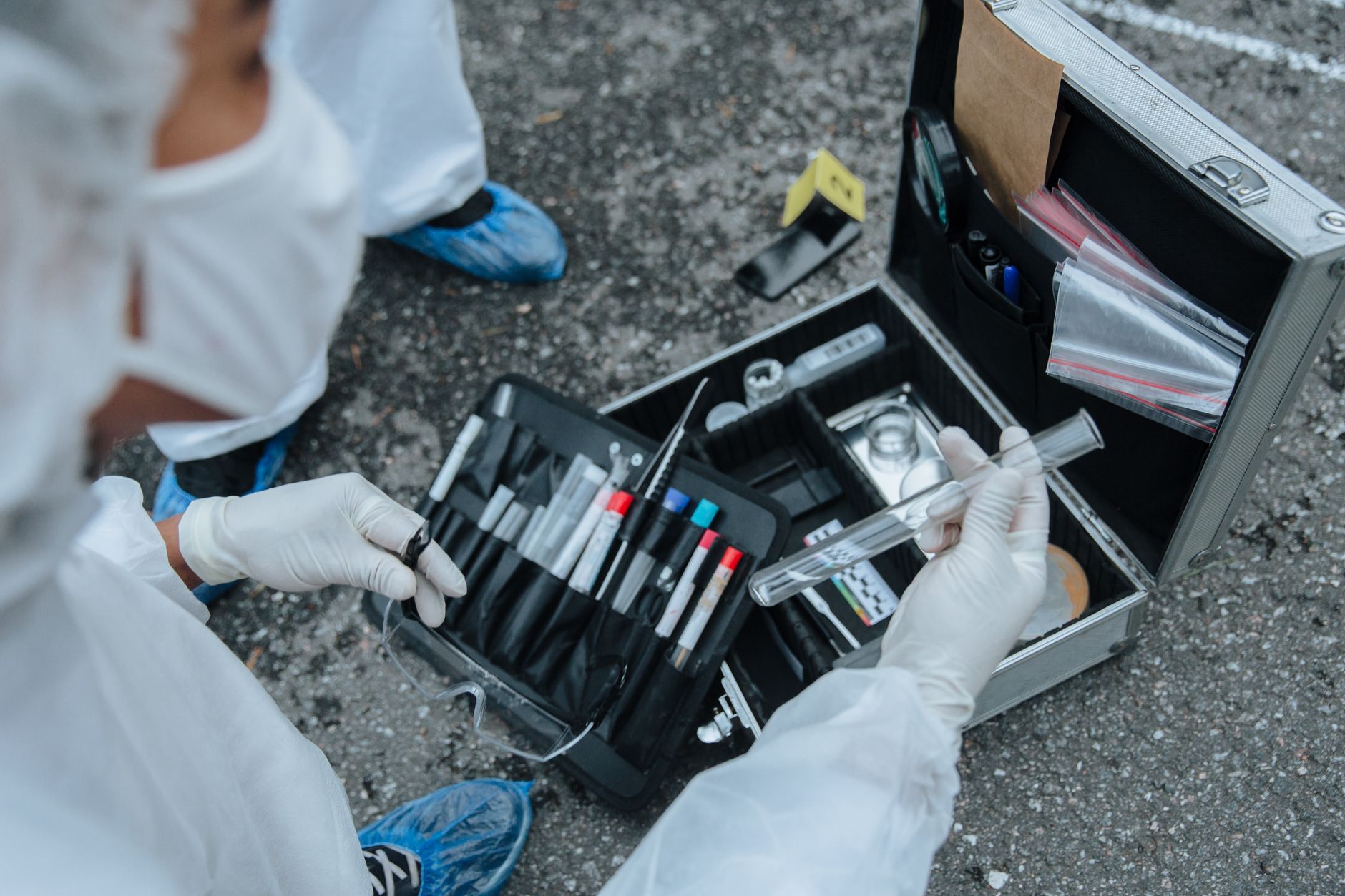
DNA analysis in a forensic laboratory. Genetic evidence has been crucial in exonerating wrongly convicted individuals Photo by cottonbro studio on Pexels
Historical Context:
In the past, before advancements in forensic science and legal procedures, wrongful convictions and executions were likely more common due to factors such as inadequate legal representation, reliance on coerced confessions, racial bias, and flawed investigative techniques.
Records of historical wrongful executions may be incomplete or obscured by the passage of time, making it difficult to quantify the exact number of cases.
Modern Cases:
In recent decades, with increased attention to criminal justice reform, forensic advancements, and the establishment of innocence projects and legal advocacy organizations, there have been notable cases of individuals being exonerated after their wrongful convictions, sometimes posthumously.
While DNA evidence has played a crucial role in many exoneration cases, wrongful convictions can also result from factors such as eyewitness misidentification, flawed forensic analysis, prosecutorial misconduct, and inadequate defense representation.
Exoneration Statistics:
According to the National Registry of Exonerations, which tracks known exonerations in the United States, as of January 2022, there have been over 2,900 exonerations since 1989. These cases include individuals who were wrongfully convicted of various crimes, including murder, and later cleared of all charges.
While not all exoneration cases involve individuals who were sentenced to death, some do, highlighting the potential for wrongful executions in jurisdictions where capital punishment is practiced.
International Context:
Wrongful convictions and executions are not limited to any particular country or legal system. Cases of miscarriages of justice have been documented in various countries around the world, including those that practice capital punishment and those that do not.
International human rights organizations, such as Amnesty International and Human Rights Watch, have documented cases of wrongful convictions and executions globally and advocate for reforms to prevent such injustices.
Challenges in Identifying Cases:
Identifying cases of wrongful executions can be challenging due to factors such as the finality of the death penalty, limited access to legal representation for individuals on death row, and the lack of systematic posthumous reviews of capital cases.
Without comprehensive data and investigations, the true extent of wrongful executions remains uncertain, and it's likely that some cases may never come to light.
In summary, while there are documented cases of individuals being wrongfully convicted and later exonerated, quantifying the exact number of wrongful executions is difficult due to various factors. Nonetheless, these cases underscore the potential for miscarriages of justice within the criminal justice system and highlight the importance of safeguards to prevent wrongful convictions and executions.

Comments
No answered comments yet. Yours could be the first.
Add a comment
Your email address is needed so we can reply, and is never shown on the site. Comments appear here once they have been answered.