What led to Saddam Hussein's downfall and eventual execution?
· Updated
· No. 99
Security and defence - Intelligence and surveillance - Intelligence
Saddam Hussein's execution resulted from complex political, economic and military factors including WMD claims, oil interests, regional opposition and documented human rights abuses rather than any single piece of knowledge.
Saddam Hussein's downfall and eventual execution were the result of a complex mix of factors rather than a single piece of knowledge that got him killed. However, several key aspects contributed to his fate:
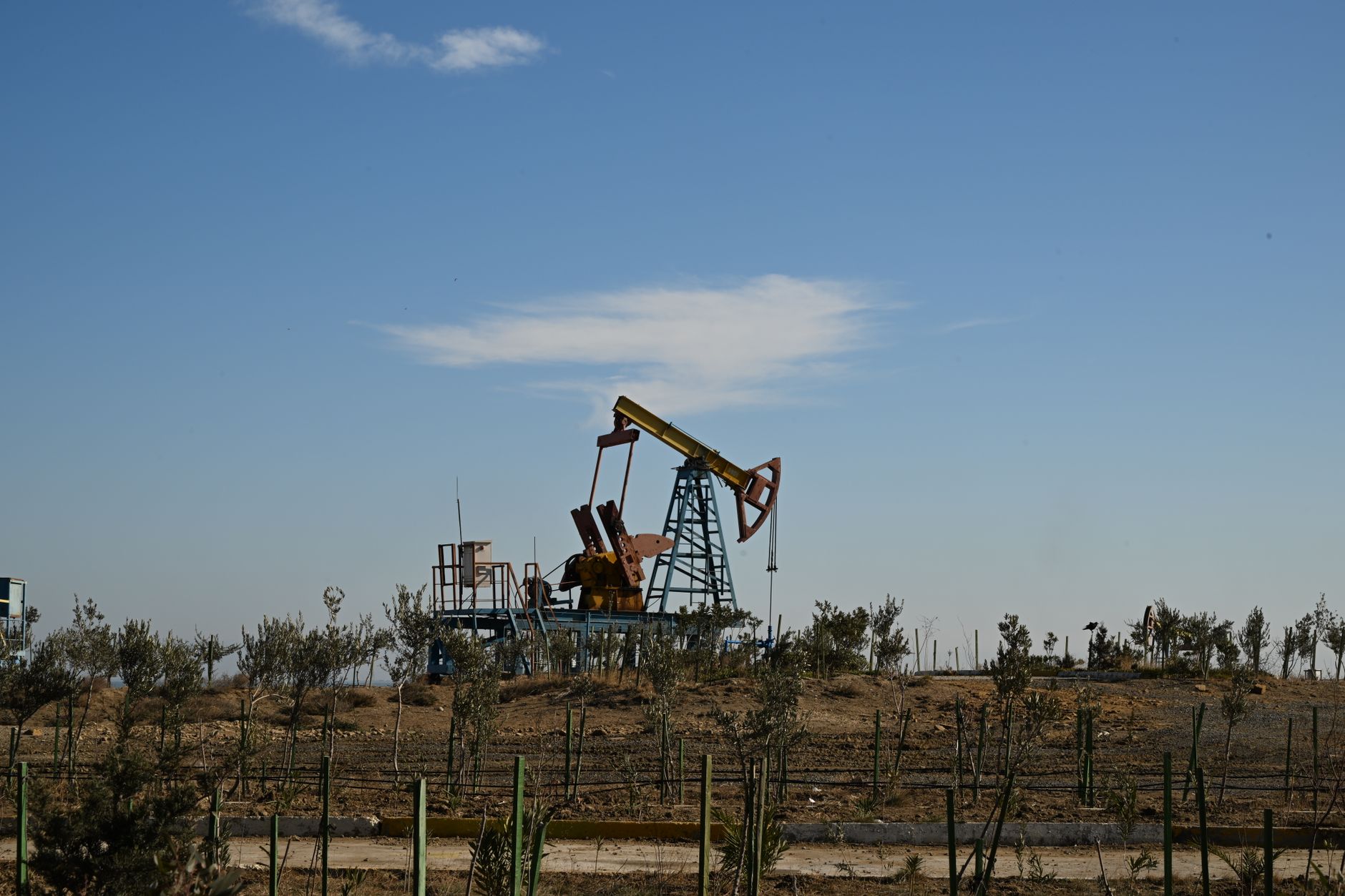
Oil pumping equipment in an Iraqi desert landscape, illustrating the country's vast petroleum reserves Photo by Miguel Cuenca on Pexels
1. Weapons of Mass Destruction (WMDs)
The U.S. and its allies justified the 2003 invasion of Iraq by claiming that Saddam Hussein possessed weapons of mass destruction (WMDs) and posed a significant threat to global security. Despite extensive searches, no WMDs were found. Some theorists suggest that Hussein's knowledge or potential threats regarding WMDs or the lack thereof played a role in his demise. The claim of WMDs, although unfounded, was a significant pretext for the invasion that led to his capture.
2. Oil and Geopolitical Control
Iraq sits on some of the largest oil reserves in the world. Control over these resources and the geopolitical influence in the Middle East were critical considerations for Western powers. Some believe that Saddam Hussein's control over Iraq's vast oil resources and his refusal to align with Western oil interests were significant factors in the push to remove him from power.
3. Opposition to U.S. Influence
Saddam Hussein was a staunch opponent of U.S. influence in the Middle East. His regime was seen as a destabilizing force against U.S. allies in the region, including Israel and the Gulf States. His defiance against U.S. policies and his support for Palestinian resistance movements also made him a target.
4. Historical Atrocities and Human Rights Abuses
Saddam Hussein was responsible for numerous human rights abuses, including the genocide against the Kurds (Anfal campaign), the use of chemical weapons, and the suppression of political dissent. These actions made him a pariah on the global stage and provided additional justification for his removal in the eyes of many international actors.
5. Iraq's Strategic Importance
Iraq's strategic location in the Middle East made it a significant focus for powers seeking to control the region. By removing Saddam Hussein, the U.S. and its allies aimed to reshape the Middle East in a way that would benefit their strategic interests.
6. Personal Enmity with U.S. Leaders
Saddam Hussein was involved in an assassination attempt against former U.S. President George H.W. Bush in 1993. This personal enmity might have influenced the aggressive stance taken by the subsequent Bush administration (under George W. Bush) toward Iraq.
7. Internal Repression and Political Rebellion
Hussein's brutal repression of internal dissent, including Shiite uprisings and Kurdish resistance, created deep divisions within Iraq. These internal conflicts made his regime increasingly unstable and provided further rationale for intervention by external forces.
8. War Crimes and International Justice
After his capture in December 2003, Saddam Hussein was tried and convicted for crimes against humanity, including the Dujail massacre in 1982, where 148 Shiite men and boys were killed in retaliation for an assassination attempt against him. His execution in 2006 was the culmination of these legal proceedings.
Conclusion
While there is no definitive answer that Saddam Hussein knew something specific that led to his death, his regime's actions, opposition to Western interests, and the broader geopolitical context of the time made him a target for regime change. His execution was ultimately a consequence of his leadership and the complex web of political, economic, and military factors that characterized Iraq's relationship with the rest of the world, especially the United States.

Comments
No answered comments yet. Yours could be the first.
Add a comment
Your email address is needed so we can reply, and is never shown on the site. Comments appear here once they have been answered.