Can a country destroy a ship damaging undersea cables?
When might a nation be legally justified in destroying a vessel that damages internet cables or pipelines?
· Updated
· No. 105
Security and defence - Defence and weapons - Maritime security
Countries have greater rights to destroy ships damaging infrastructure in their territorial waters than in international waters, though responses must be proportionate and justified under international law.
A sovereign country could potentially destroy a ship if it damages undersea internet cables or pipelines, but it depends on several legal, political, and military factors.
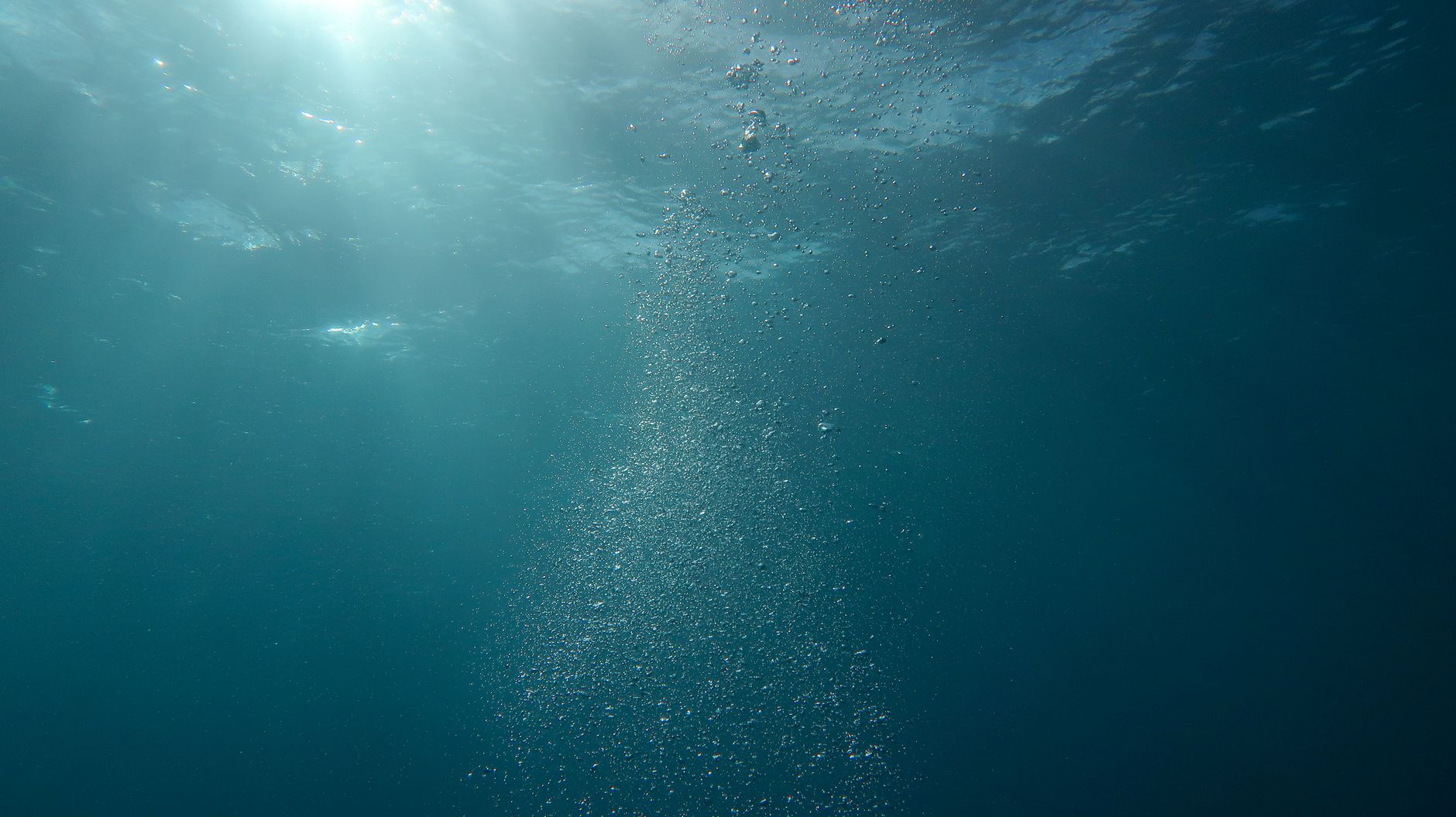
Undersea cables carry internet and telecommunications signals between continents and are vulnerable to ship anchors and damage Photo by Berend de Kort on Pexels
Key Considerations:
Intent vs. Accident:
If a ship accidentally damages infrastructure, nations typically seek diplomatic or legal resolutions rather than immediate military action.
If a ship deliberately damages critical infrastructure, it could be seen as an act of war or sabotage, justifying military retaliation.
Territorial vs. International Waters:
In territorial waters (within 12 nautical miles): A country has full sovereignty and can take direct action, including force, to protect its infrastructure.
In international waters: Nations have limited rights but can defend themselves if an attack on vital infrastructure is considered an act of aggression.
International Law & Justification:
The United Nations Convention on the Law of the Sea (UNCLOS) protects undersea cables and pipelines. Willful destruction could violate international law.
Article 51 of the UN Charter allows self-defense if an attack occurs, but the response must be proportionate.
NATO & Collective Defense: If the target belongs to a NATO country, it could invoke Article 5, treating the attack as aggression against all member states.
Real-World Precedents:
Nord Stream Pipeline Incident (2022): Though still unclear who was responsible, the attack on the pipeline sparked discussions about retaliatory actions.
Undersea Cable Sabotage Concerns: Nations, including the UK and US, have warned about threats from Russian spy ships near cables.
Conclusion:
A country could destroy a ship if it deliberately damages critical infrastructure, especially in its own waters. However, in international waters, a military response would need strong legal justification and could risk escalating tensions.

Comments
No answered comments yet. Yours could be the first.
Add a comment
Your email address is needed so we can reply, and is never shown on the site. Comments appear here once they have been answered.