Can AI cameras reduce corruption in law enforcement?
Using AI cameras to monitor streets can reduce manual interference and minimise corruption. Here's how.
· Updated
· No. 83
Security and defence - Intelligence and surveillance - Surveillance
AI-monitored street cameras can automate enforcement, create transparent records and reduce officers' discretionary power, potentially minimising corruption and bribery opportunities.
Using AI cameras to monitor streets can indeed result in less manual interference and potentially minimize corruption. Here's how:
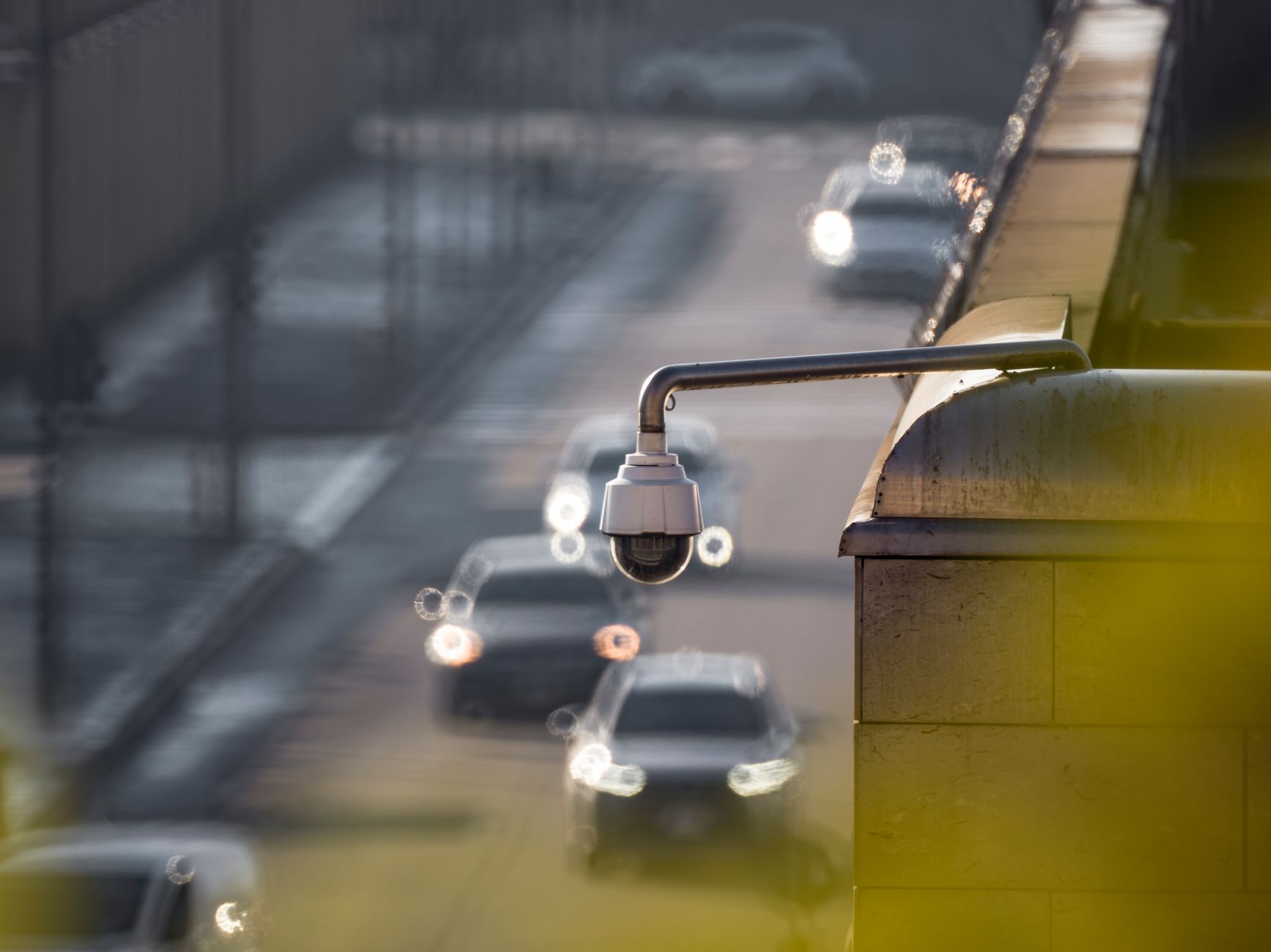
An AI-powered traffic camera mounted on a street pole to automatically detect violations and monitor road safety Photo by tommy picone on Pexels
Reduction in Manual Interference
Automation of Routine Tasks:
Traffic Violations: AI cameras can automatically detect and process traffic violations such as speeding, running red lights, and illegal parking. This reduces the need for manual checks and interventions by police officers.
Incident Detection: AI can continuously monitor and detect incidents like accidents or suspicious activities, automatically alerting authorities without the need for constant human oversight.
Consistency and Accuracy:
AI systems can provide consistent and unbiased monitoring, reducing the possibility of human error or selective enforcement.
Automated systems can work around the clock, ensuring constant surveillance and reducing the gaps caused by human limitations such as fatigue or shifts.
Minimization of Corruption
Reduced Opportunities for Bribery:
Automated Enforcement: With AI cameras issuing fines and penalties automatically, there is less opportunity for individuals to bribe officers to avoid consequences.
Transparent Processes: Automated systems can record all incidents and actions taken, creating a transparent and traceable record that is harder to manipulate.
Accountability and Oversight:
Audit Trails: AI systems can maintain detailed logs of all activities and decisions, which can be audited to ensure compliance with laws and regulations.
Evidence Collection: Video and data collected by AI cameras provide clear evidence that can be reviewed in case of disputes, reducing the likelihood of corrupt practices.
Reduction in Discretionary Power:
Standardized Enforcement: By standardizing the enforcement of laws and regulations through AI, the discretionary power of individual officers is reduced. This limits the potential for corruption stemming from selective enforcement or favoritism.
Objective Decision-Making: AI systems make decisions based on data and predefined rules, which can help eliminate biases and ensure fair treatment for all individuals.
Challenges and Considerations
Implementation and Maintenance:
The initial setup and ongoing maintenance of AI systems require investment and technical expertise.
Ensuring the AI systems are updated and functioning correctly is crucial to maintain their effectiveness and reliability.
Data Privacy and Security:
Protecting the data collected by AI cameras from unauthorized access and misuse is critical.
Robust data protection measures and compliance with privacy laws are necessary to safeguard individuals' rights.
Public Trust and Acceptance:
Transparency about the use and purpose of AI monitoring is essential to gain public trust.
Addressing concerns about surveillance and ensuring the ethical use of AI technologies can help in gaining acceptance from the community.
Legal and Ethical Considerations:
Ensuring that AI systems comply with local, national, and international laws is vital.
Ethical considerations, such as avoiding bias in AI algorithms and ensuring fairness, must be addressed to prevent new forms of discrimination.
Conclusion
The use of AI cameras to monitor streets can significantly reduce manual interference and minimize corruption. Automated systems can provide consistent, unbiased, and transparent enforcement of laws, reducing opportunities for bribery and other corrupt practices. However, successful implementation requires careful consideration of technical, legal, ethical, and social factors to ensure the system's integrity and public trust.

Comments
No answered comments yet. Yours could be the first.
Add a comment
Your email address is needed so we can reply, and is never shown on the site. Comments appear here once they have been answered.