A step-by-step guide to building a thermoelectric generator that charges devices using heat from a candle
· Updated · No. 141
Instructions for assembling a DIY thermoelectric generator from affordable components that converts candle heat into USB power, plus the physics behind nuclear batteries.
Here's the ultimate practical breakdown: a step-by-step TEG build you can do this weekend and the deep-dive physics of betavoltaics for your inner nuclear engineer.
(No radiation, no legal issues, $50 build)
| Part | Where to Buy | Cost |
|---|---|---|
| TEG Module (TEC1-12706) | Amazon/eBay | $8 |
| MT3608 Boost Converter | AliExpress | $2 |
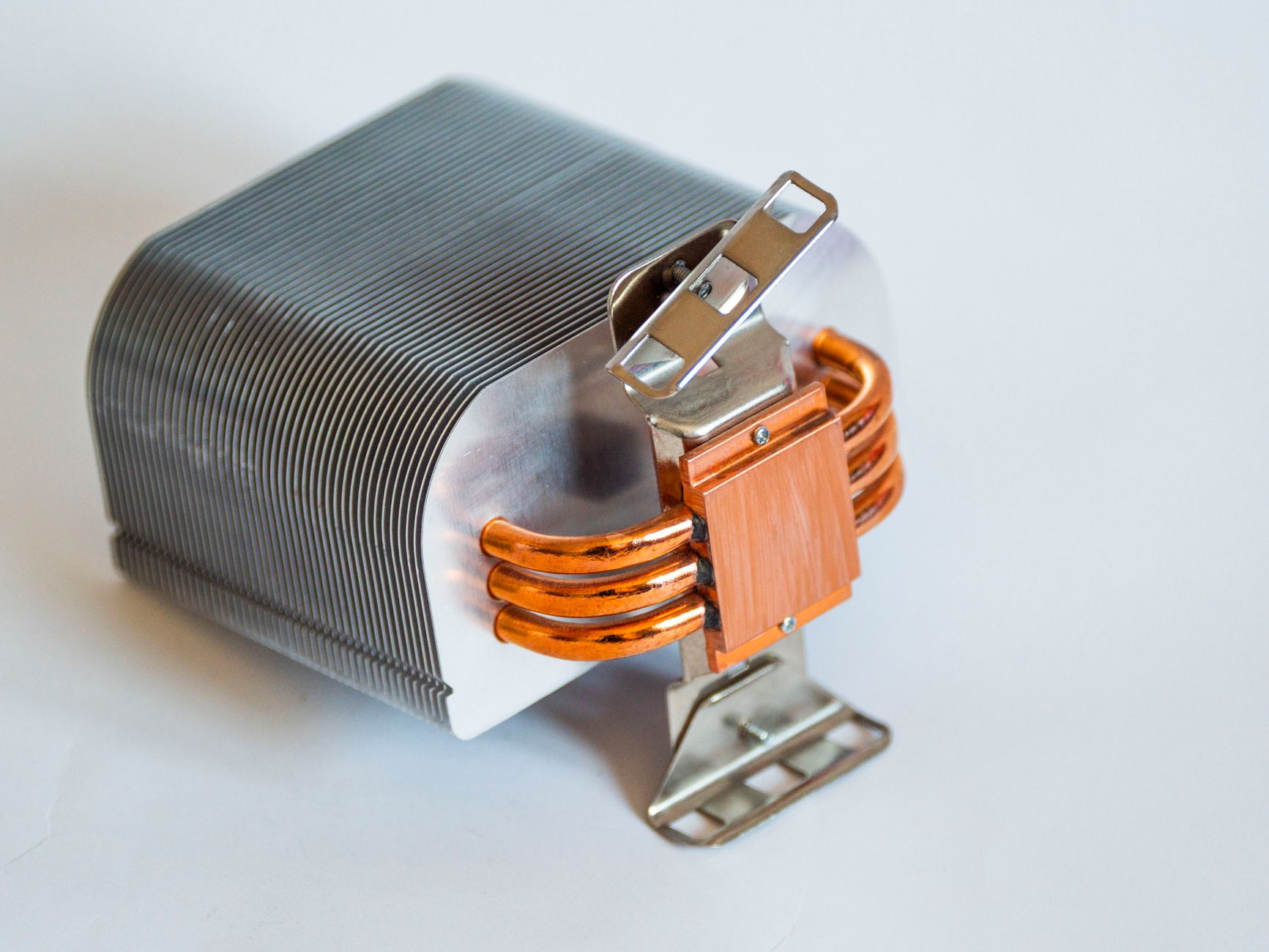
| Aluminum Heat Sink | Old CPU cooler | Free/$5 |
| USB Power Meter | Amazon | $6 |
| Thermal Paste | Hardware store | $5 |
| Candle + Tin Can | Dollar Store | $3 |
Hot Side Setup
Cut a tin can in half, fill with 3 tea candles.
Smear thermal paste on the can's flat surface, stick the TEG's hot side to it.
Cold Side Setup
Attach the CPU heat sink to the TEG's cold side with thermal paste.
For better cooling, add a 5V fan (powered by the TEG later).
Circuit Wiring
Solder TEG wires 1000µF capacitor (smooths voltage spikes).
Connect capacitor MT3608 boost converter (set output to 5V with potentiometer).
Connect boost converter USB power meter USB device.
Performance Tuning
100°C is ideal: Use 2-3 candles or a small alcohol burner.
No boost? Check polarity TEGs are sensitive to reverse voltage.
Raw TEG: 1.5V @ 300mA (0.45W)
Boosted: 5V @ 80mA (enough to slow-charge a phone or power an ESP32).
Pro Tip: Stack 2 TEGs in series to double voltage before boosting.
(For those who want the science without FBI visits)
Beta particles (electrons) must have higher energy than the semiconductor's bandgap to generate power:
Silicon (Si): 1.1 eV bandgap Works with Ni-63 (avg. 17 keV beta).
Diamond (C): 5.5 eV Needs high-energy emitters like Pm-147 (max 225 keV).
Power Output (P)

Comments
No answered comments yet. Yours could be the first.
Add a comment
Your email address is needed so we can reply, and is never shown on the site. Comments appear here once they have been answered.