The complex history of land ownership and control in Gaza and the West Bank since Israel's establishment
· Updated · No. 26
Israel's creation in 1948 and subsequent wars transformed land ownership in Gaza and the West Bank, with ongoing disputes over settlements, confiscation and military control.
The situation regarding land ownership and control in Gaza and surrounding areas is complex and deeply contentious, with historical, political, and legal dimensions. Since Israel's establishment in 1948, there have been various events and actions that have influenced land ownership and control in Gaza and adjacent territories, including the West Bank. Here are some key points to consider:
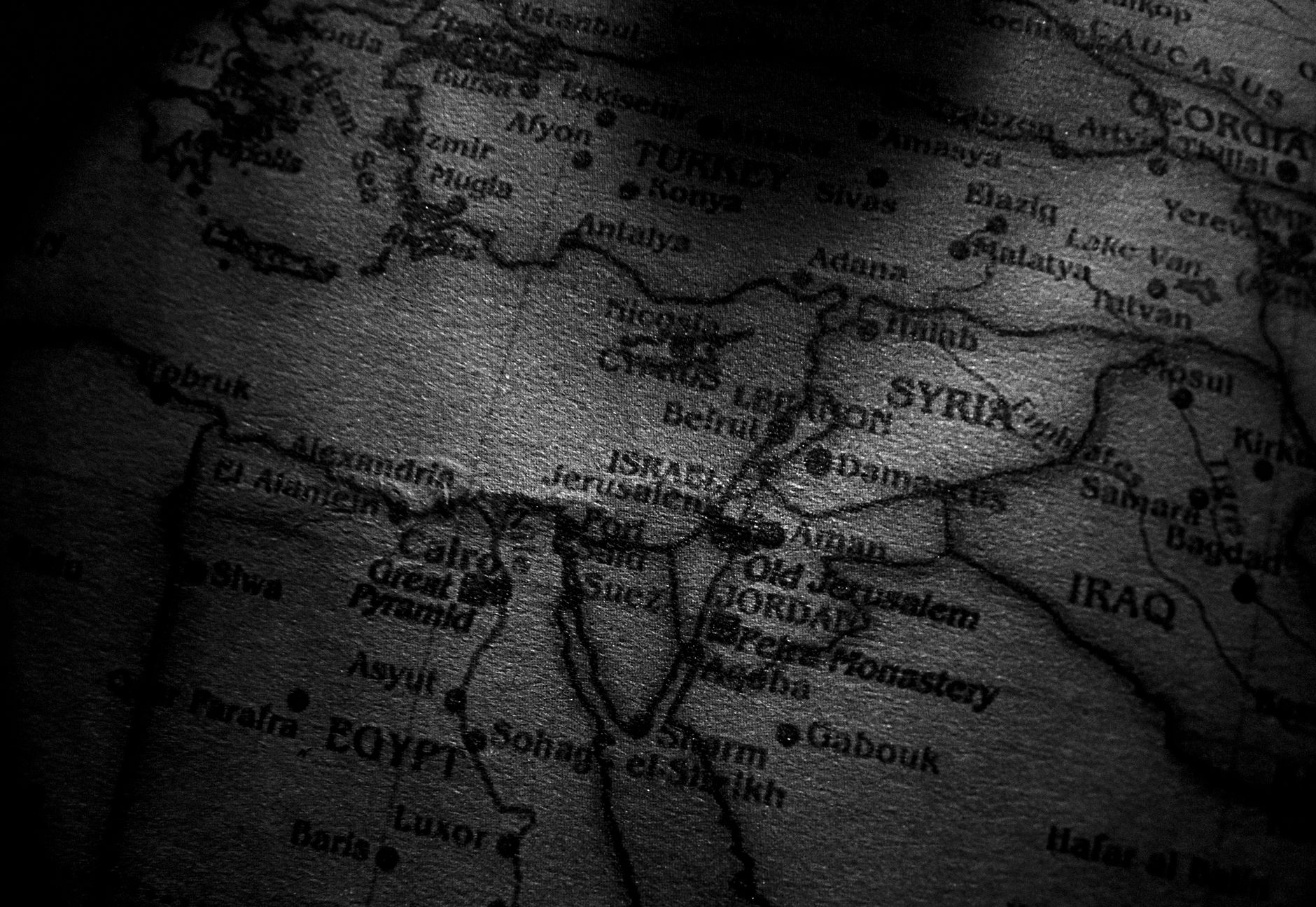
1948 Arab-Israeli War (Israeli War of Independence): Following the war, Israel gained control of the territory that became known as the Gaza Strip, along with other areas. The borders of Gaza were defined by the 1949 Armistice Agreement between Israel and neighboring Arab states.
Occupation of Gaza (1967): During the Six-Day War in 1967, Israel captured the Gaza Strip from Egypt, along with the West Bank, East Jerusalem, and the Golan Heights. Since then, Israel has maintained control over Gaza's borders, airspace, and territorial waters, although it withdrew its military and settlements from Gaza in 2005.
Israeli Settlements: While Israel dismantled its settlements in Gaza in 2005 as part of the unilateral disengagement plan, it continues to construct and expand settlements in the West Bank, including East Jerusalem. These settlements are considered illegal under international law by most of the international community, including the United Nations.
Land Confiscation and Barrier Construction: Israel has engaged in land confiscation and construction of security barriers, such as the West Bank barrier, which has resulted in the seizure of Palestinian land and restriction of movement for Palestinians.
Military Operations: Israel has conducted military operations in Gaza, including airstrikes and ground incursions, in response to rocket attacks, militant activity, and security threats. These operations have resulted in casualties, displacement, and damage to infrastructure.
Blockade of Gaza: Since 2007, Israel has imposed a blockade on Gaza, along with Egypt. The blockade restricts the movement of goods and people in and out of Gaza and has had significant humanitarian consequences for its residents.
Legal and Political Disputes: The status of Gaza, the West Bank, and East Jerusalem is subject to ongoing legal and political disputes between Israel, the Palestinian Authority, and other parties. Efforts to reach a resolution to the Israeli-Palestinian conflict, including negotiations for a two-state solution, have faced numerous challenges and setbacks over the years.
Overall, the situation in Gaza and surrounding areas is characterized by complex historical, political, and legal factors, and perspectives on land ownership and control vary widely among different stakeholders.

Comments
No answered comments yet. Yours could be the first.
Add a comment
Your email address is needed so we can reply, and is never shown on the site. Comments appear here once they have been answered.