The symbolic meaning of the cable tow in Masonic initiation rituals
· Updated
· No. 46
The wider world - Secret societies - Bilderberg and Freemasons
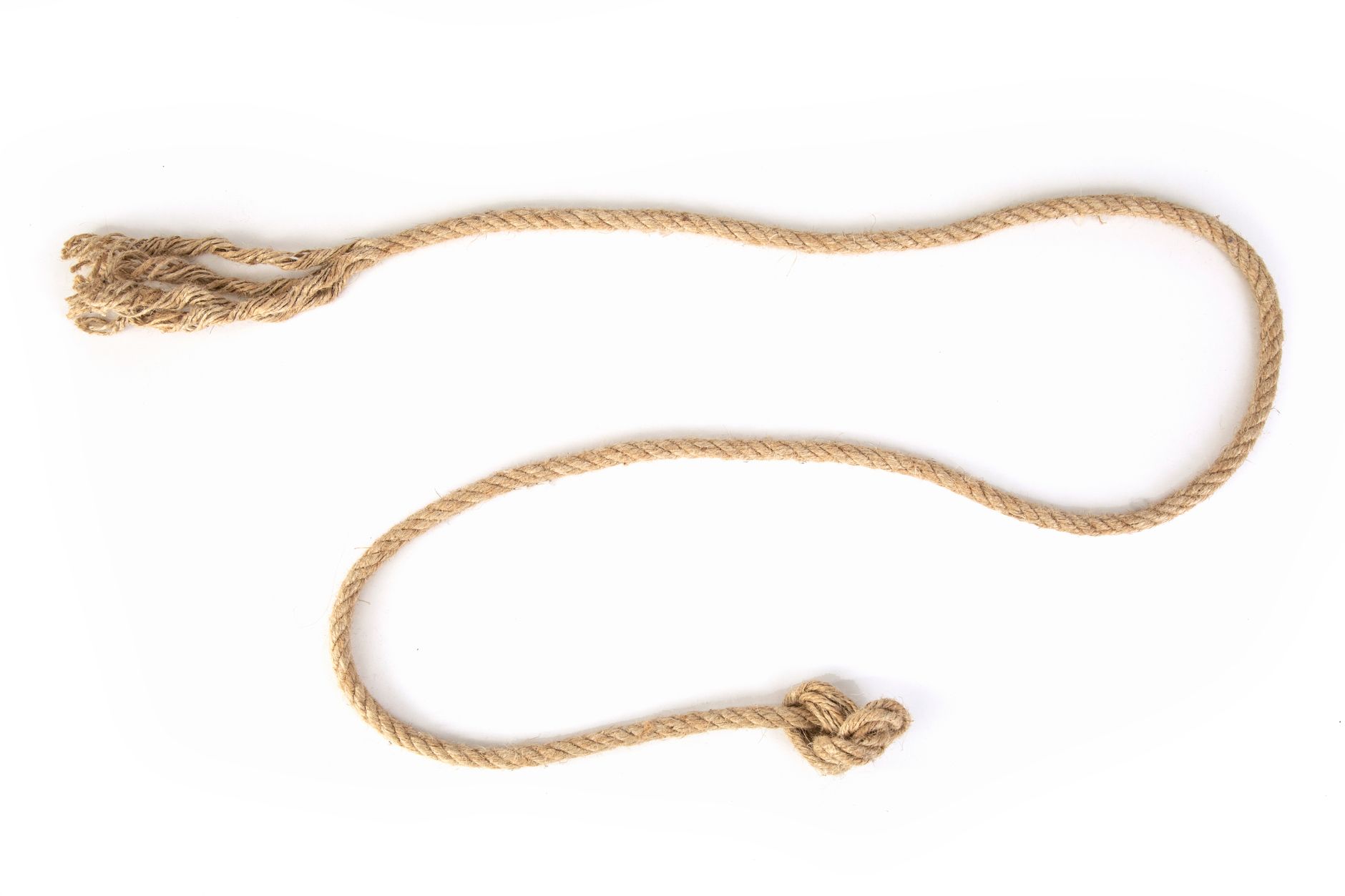
Freemasons use a noose, called a cable tow, symbolically in initiation ceremonies to represent obligation, self-discipline, and commitment to Masonic principles rather than any literal purpose.
Freemasons use a noose as a symbolic tool in certain rituals and ceremonies, particularly within the context of the initiation process for the Entered Apprentice degree. The noose, often referred to as a 'cable tow' or 'cable rope,' carries symbolic significance within Freemasonry, representing various moral, spiritual, and philosophical concepts.
Masonic ritual symbols including compass, square and apron used in initiation ceremonies Photo by Engin Akyurt on Pexels
Symbolism of the Noose:
In Freemasonry, the noose is not used in a literal sense but rather symbolically to represent certain aspects of the Masonic journey and the obligations undertaken by candidates during their initiation into the Craft.
The noose is often associated with the concept of restraint or obligation, signifying the candidate's willingness to be bound by the principles, duties, and moral obligations of Freemasonry.
It serves as a reminder of the importance of self-discipline, self-control, and the ability to govern one's passions and desires in pursuit of moral and spiritual enlightenment.
Initiation Rituals:
During the initiation ceremony for the Entered Apprentice degree, candidates may be required to wear a noose or have one placed around their neck as part of the symbolic ritual.
The noose is used in conjunction with other symbols, such as the compasses, square, and apron, to convey moral lessons and allegorical teachings about the journey of self-discovery, enlightenment, and personal transformation that candidates undergo as they progress through the degrees of Freemasonry.
Historical Context:
The use of the noose in Masonic rituals has historical roots in the traditions and symbolism of medieval stonemasons' guilds, from which Freemasonry traces its origins.
In operative Freemasonry (practicing masonry), the noose may have been used as a practical tool for lifting or securing heavy stones during construction projects. Over time, it acquired symbolic significance within the rituals and ceremonies of speculative Freemasonry (non-practicing), representing moral and spiritual concepts rather than practical functions.
Allegorical Meaning:
Within the context of Freemasonry, the noose is often interpreted allegorically as a symbol of the candidate's commitment to the principles of the Craft, including fidelity to duty, fidelity to fellow Masons, and fidelity to oneself.
It underscores the importance of integrity, trustworthiness, and fidelity in one's relationships with others and in the pursuit of moral and spiritual enlightenment.
To summarise, Freemasons use a noose symbolically in certain rituals and ceremonies to convey moral, spiritual, and philosophical concepts related to obligation, self-discipline, and fidelity. It serves as a reminder of the candidate's commitment to the principles of Freemasonry and their journey of self-discovery and personal transformation within the Craft.
Comments
No answered comments yet. Yours could be the first.
Add a comment
Your email address is needed so we can reply, and is never shown on the site.
Comments appear here once they have been answered.

Comments
No answered comments yet. Yours could be the first.
Add a comment
Your email address is needed so we can reply, and is never shown on the site. Comments appear here once they have been answered.