Controversial European Court of Human Rights rulings and debates over judicial overreach
· Updated · No. 148
Five high-profile ECHR rulings have sparked accusations of judicial activism and bias, raising questions about whether the court imposes progressive values on member states or protects fundamental rights.
Here are a few highly controversial ECHR rulings that have sparked accusations of bias, overreach, or political influenceââ¬'though not necessarily corruption:
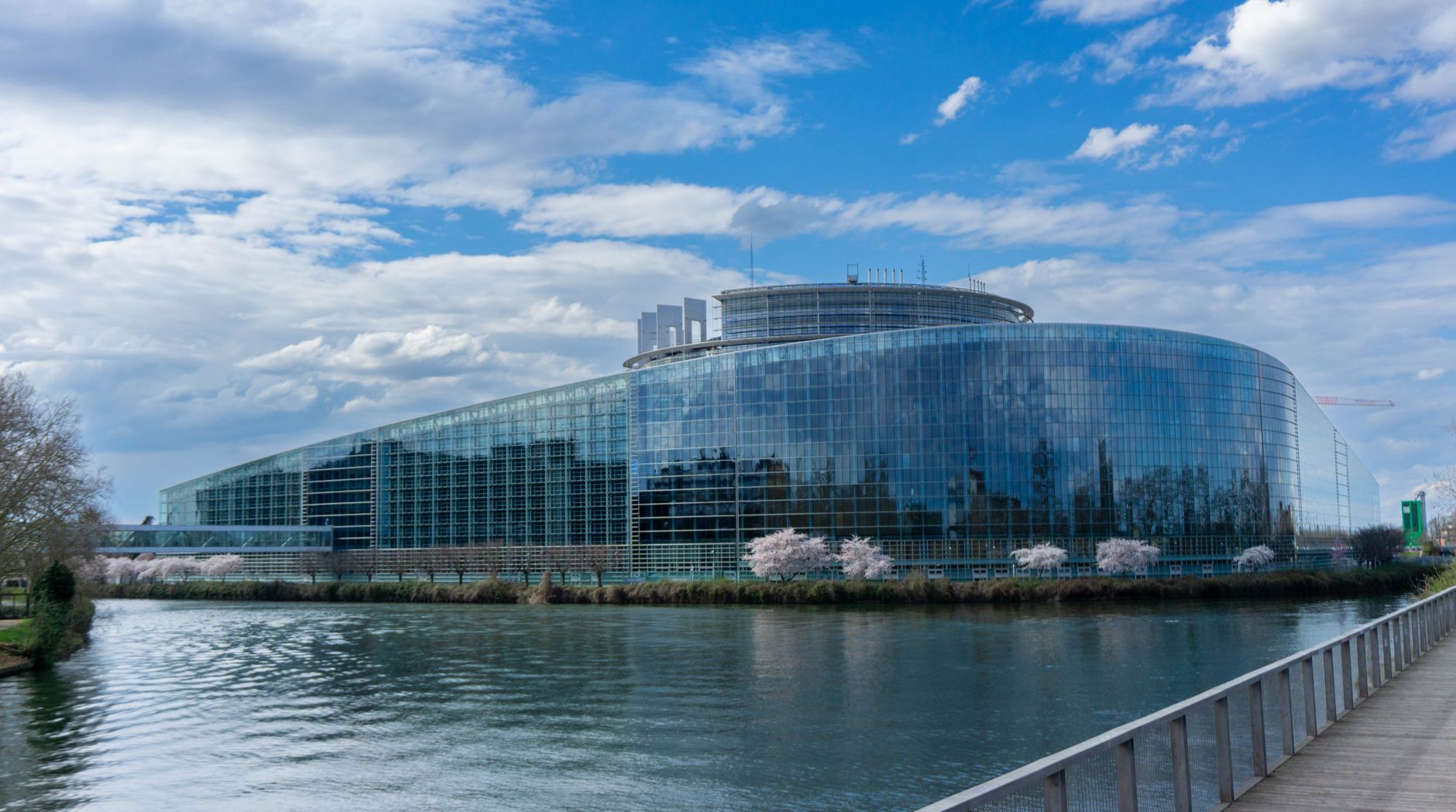
Ruling: The ECHR found the UK's blanket ban on prisoners voting a violation of human rights.
Backlash:
The UK government (including PM David Cameron) refused to comply for years, calling the ruling 'absurd.'
Critics accused the ECHR of undermining national sovereignty.
Outcome: The UK still hasn't fully implemented the ruling, showing limited enforcement power.
Ruling: Initially banned crucifixes in Italian classrooms (2009), then reversed itself in 2011 after massive political pressure.
Controversy:
Seen as bowing to Catholic-majority backlash (Italy, Vatican, other states intervened).
Raises questions: Did political pressure sway the court?
Ruling: Ordered Italy to recognize same-sex civil unions.
Criticism:
Conservative groups accused the ECHR of 'imposing liberal values' on a Catholic country.
Shows the court's activist role in social policy.
Ruling: Blocked Denmark from deporting a Syrian migrant convicted of crimes, citing risk of torture in Syria.
Outrage:
Danish PM called it 'a problem for European democracy.'
Fuels claims that the ECHR prioritizes migrants over national security.
2022: Ordered Russia to stop its war in Ukraine (ignored).
2024: Temporarily blocked UK's Rwanda deportation plan.
Criticism:
Supporters say it's protecting human rights.
Opponents (like UK's Suella Braverman) call it 'a tool for left-wing lawyers to override democracy.'
No direct corruption (no bribes, secret payoffs proven).
Butâ⬦ The court's rulings often align with progressive European elites, angering conservatives.
Power vs. Accountability: The ECHR can override national laws, yet has no army or police to enforce rulingsââ¬'leading to political clashes.
Yes (Critics): Too powerful, unaccountable, imposes 'liberal' values.
No (Supporters): Vital for protecting minorities when national courts fail.

Comments
No answered comments yet. Yours could be the first.
Add a comment
Your email address is needed so we can reply, and is never shown on the site. Comments appear here once they have been answered.