Roughly 40-50 countries experience armed conflict in 2025-2026.
· Updated · No. 218
There are armed conflicts in around 40-50 countries worldwide, depending on how a conflict is defined. The latest major studies provide these figures: 40 armed conflicts across the world, according to the School for a Culture of Peace at the Autonomous University of Barcelona.
There are armed conflicts in around 40-50 countries worldwide, depending on how a conflict is defined.
The latest major studies provide these figures:
Why are the numbers different?
Some organisations count individual conflicts, while others count the countries where fighting occurs. Some include civil wars, insurgencies and clashes involving armed groups, not just wars between nations.
In short: around 40-50 countries or locations experienced armed conflict in 2025.
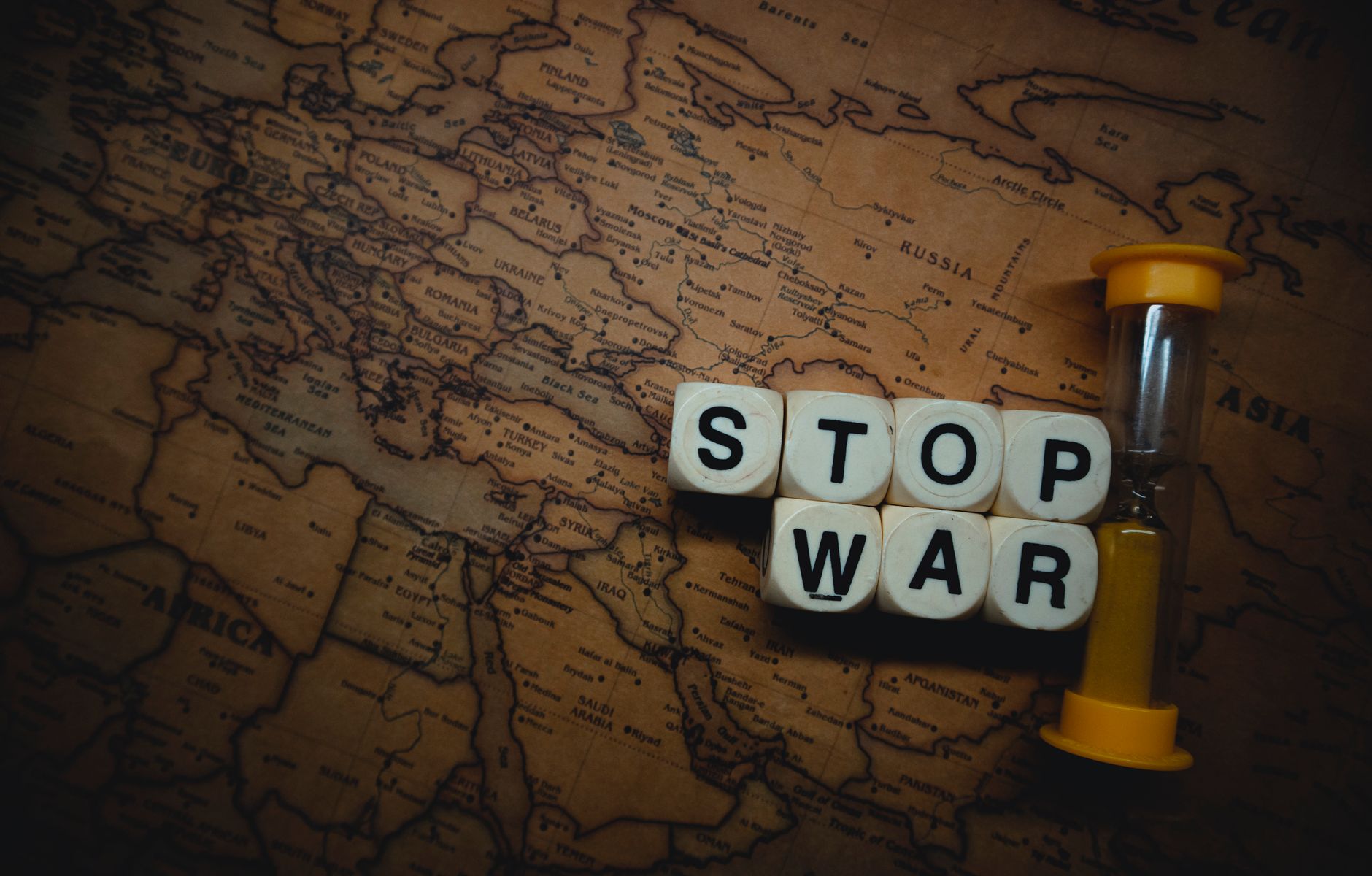
Dozens of active armed conflicts worldwide range from major international wars to civil wars and insurgencies.
The Stockholm International Peace Research Institute (SIPRI) recorded armed conflict in 49 countries in 2025, including five conflicts that each caused more than 10,000 conflict-related deaths that year.
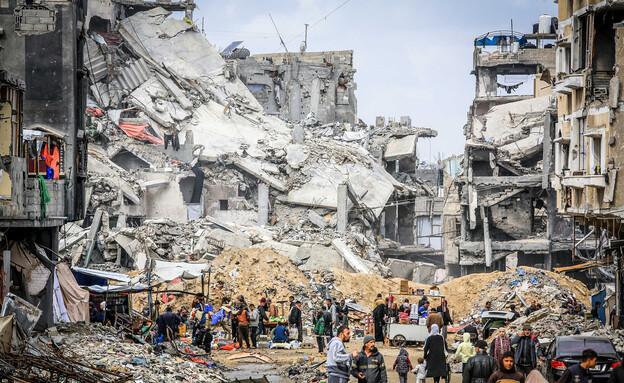
Below is a summary of major conflicts, when they began, how civilians are affected and whether war crimes have been reported.
A note on war crimes: There is a difference between allegations, findings by UN investigative bodies and convictions by a court. I distinguish these where possible. The list is not exhaustive, and I cannot independently verify the status of every conflict on 29 September 2026.
| Country or region | When it began | Main parties |
|---|---|---|
| Ukraine | 2014; full-scale invasion in February 2022 | Russia and Ukraine |
| Israel and Palestine | 1948; current Gaza war began 7 October 2023 | Israel and Hamas, alongside other Palestinian armed groups |
| Sudan | 15 April 2023 | Sudanese Armed Forces and Rapid Support Forces |
| Yemen | 2014; major Saudi-led intervention in 2015 | Yemeni government, Houthis and other armed groups |
| Syria | March 2011 | Government and opposition forces, with various armed groups and foreign involvement |
| Lebanon-Israel | Long-running conflict; major escalation in October 2023 | Israel, Hezbollah and other armed actors |
Ukraine
Start: Russia's conflict with Ukraine began in 2014, when Russia annexed Crimea and fighting broke out in eastern Ukraine. Russia launched its full-scale invasion on 24 February 2022.
Impact on civilians:
The UN verified that 2,514 civilians were killed and 12,142 injured in Ukraine during 2025.
War crimes: UN investigations have documented violations including unlawful killings, torture, sexual violence and attacks affecting civilians. The International Criminal Court has issued arrest warrants against several Russian officials. Allegations against all parties require investigation on their individual facts.
Israel and Palestine
Start: The Israeli-Palestinian conflict has roots extending back more than a century. The current Gaza war began on 7 October 2023, following the Hamas-led attacks on Israel and Israel's subsequent military campaign in Gaza.
Impact on civilians:
War crimes: UN investigators and international legal bodies have examined alleged war crimes by Israeli forces and Palestinian armed groups.
The allegations include attacks on civilians, hostage-taking, indiscriminate attacks and the use of starvation as a method of warfare.
The International Criminal Court has issued arrest warrants for Israeli and Hamas leaders in connection with alleged crimes. An arrest warrant is not a conviction.
Sudan
Start: 15 April 2023.
Main parties: Sudanese Armed Forces (SAF) and Rapid Support Forces (RSF).
Impact on civilians:
The UN has described Sudan as one of the world's worst humanitarian crises. The death toll is uncertain, with estimates varying substantially.
War crimes: Both sides have been accused of war crimes. The US government determined in January 2025 that members of the RSF and allied militias had committed genocide in Sudan. The International Criminal Court is investigating alleged crimes in Darfur.
Yemen
Start: The current civil war began in 2014, when Houthi forces seized the capital, Sana'a. A Saudi-led military intervention began in 2015.
Impact on civilians:
War crimes: Allegations have included indiscriminate attacks, unlawful airstrikes, attacks on civilian infrastructure and recruitment of child soldiers. Responsibility varies across the parties.
Syria
Start: March 2011, following protests against the government and the subsequent escalation into armed conflict.
The fall of Bashar al-Assad's government in December 2024 changed the political and military landscape, but violence and insecurity have continued.
Impact on civilians:
War crimes: UN investigations have documented torture, unlawful killings, chemical weapons attacks and attacks on civilians during the conflict. Multiple parties have been implicated in serious violations.
Lebanon and Israel
Start: The current major escalation began in October 2023, although the conflict between Israel and Hezbollah has much older roots.
Impact on civilians:
War crimes: Allegations include indiscriminate attacks, attacks affecting civilians and the use of weapons in ways that may violate international humanitarian law. Specific incidents require investigation.
| Country or region | When it began | Main parties |
|---|---|---|
| Democratic Republic of the Congo | Conflict in eastern DRC dates back decades; current M23 escalation began in 2022 | Government forces, M23 and numerous armed groups |
| Somalia | Civil war began in 1991; major Islamist insurgency from 2006 | Federal government, al-Shabaab and other armed actors |
| Mali | Current insurgency began in 2012 | Government forces, jihadist groups and other armed groups |
| Burkina Faso | Insurgency began in 2015 | Government forces and jihadist armed groups |
| Niger | Insurgency intensified from 2015 | Government forces and jihadist groups |
| Nigeria | Boko Haram insurgency began in 2009 | Nigerian forces, Boko Haram, ISWAP and other armed groups |
| Ethiopia | Tigray war began in November 2020; other regional conflicts continue | Federal forces, regional forces and armed groups |
| Central African Republic | Current conflict began in 2012 | Government forces and various armed groups |
| South Sudan | Civil war began in December 2013 | Government forces and opposition groups |
Democratic Republic of the Congo
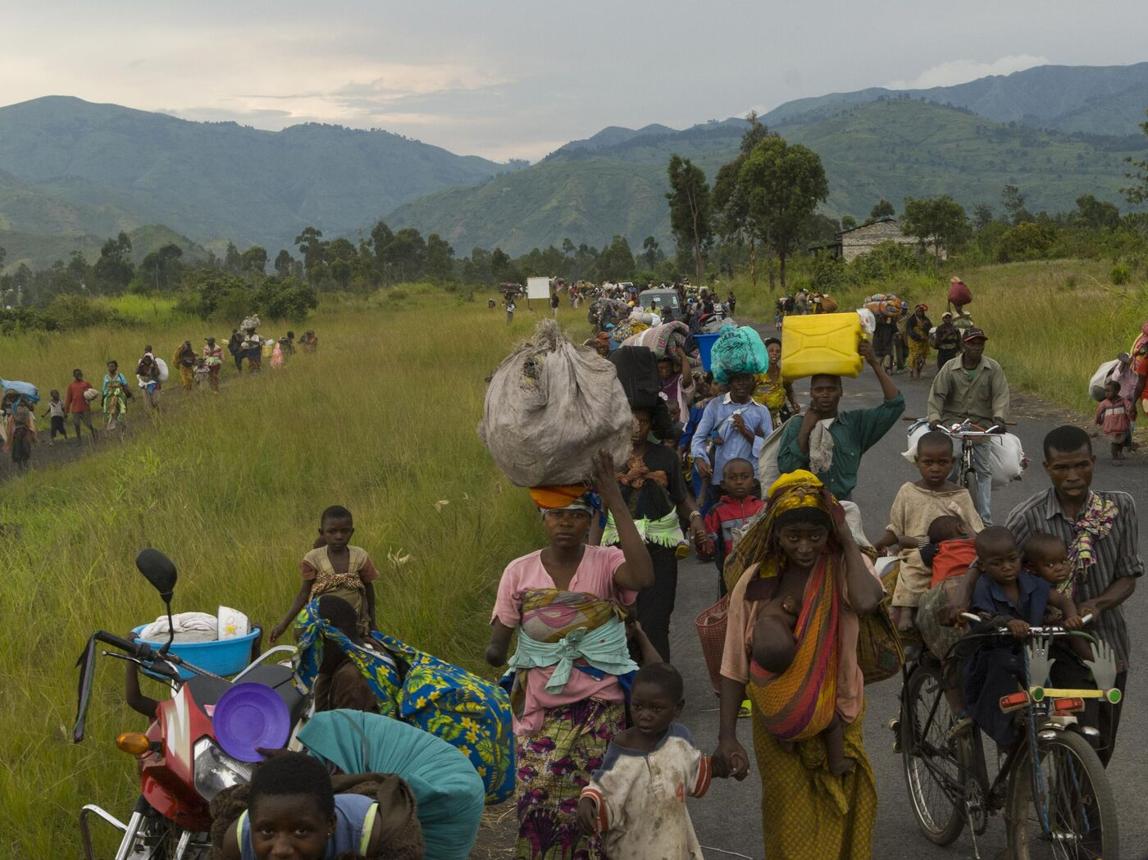
Impact on civilians:
The UN and other organisations have documented serious violations by armed groups and government forces, including acts that may constitute war crimes and crimes against humanity.
Somalia
Impact on civilians:
War crimes: Al-Shabaab and other parties have been accused of serious violations, including attacks on civilians, killings and recruitment of children.
The Sahel: Mali, Burkina Faso and Niger
These countries face overlapping insurgencies involving jihadist armed groups, government forces and, in some areas, foreign military personnel.
Impact on civilians:
War crimes: UN and human rights investigations have reported unlawful killings, executions and other serious abuses by armed groups and state forces. Some incidents may constitute war crimes.
Nigeria
Impact on civilians:
War crimes: Boko Haram and ISWAP have committed serious abuses, including killings, abductions and attacks on civilians. Nigerian security forces have also faced allegations of unlawful killings and other violations.
Ethiopia
The Tigray war began in November 2020, but the conflict has since evolved, with continuing violence in Amhara and other regions.
Impact on civilians:
War crimes: Investigations have documented serious violations by multiple parties, including killings, sexual violence and forced displacement.
| Country or region | When it began | Main parties |
|---|---|---|
| Myanmar | Current nationwide conflict escalated after the military coup in February 2021; earlier ethnic conflicts date back decades | Military government and resistance forces, including ethnic armed organisations |
| Afghanistan | Current Taliban insurgency began in 2001; renewed armed opposition since 2021 | Taliban authorities and armed opposition groups |
| Pakistan | Multiple insurgencies; current major phases intensified from the 2000s | Pakistani state forces and various armed groups |
| India | Long-running insurgencies in Kashmir and parts of the northeast | Indian security forces and various armed groups |
| Thailand-Cambodia | Border conflict has older roots; major fighting occurred in 2025 | Thai and Cambodian armed forces |
Myanmar
Start: The current nationwide conflict escalated following the military coup of February 2021. However, ethnic armed conflicts in Myanmar have existed for decades.
Impact on civilians:
War crimes: UN investigators have documented allegations of war crimes and crimes against humanity, including killings, torture, sexual violence and attacks on civilians.
Afghanistan
The Taliban took control of Afghanistan in August 2021, ending the previous phase of the war. Armed opposition groups, including Islamic State-Khorasan Province, continue to carry out attacks.
Impact on civilians:
War crimes: Armed groups have been responsible for attacks on civilians. The Taliban and other parties have faced allegations of serious human rights violations, although not every violation constitutes a war crime.
Pakistan
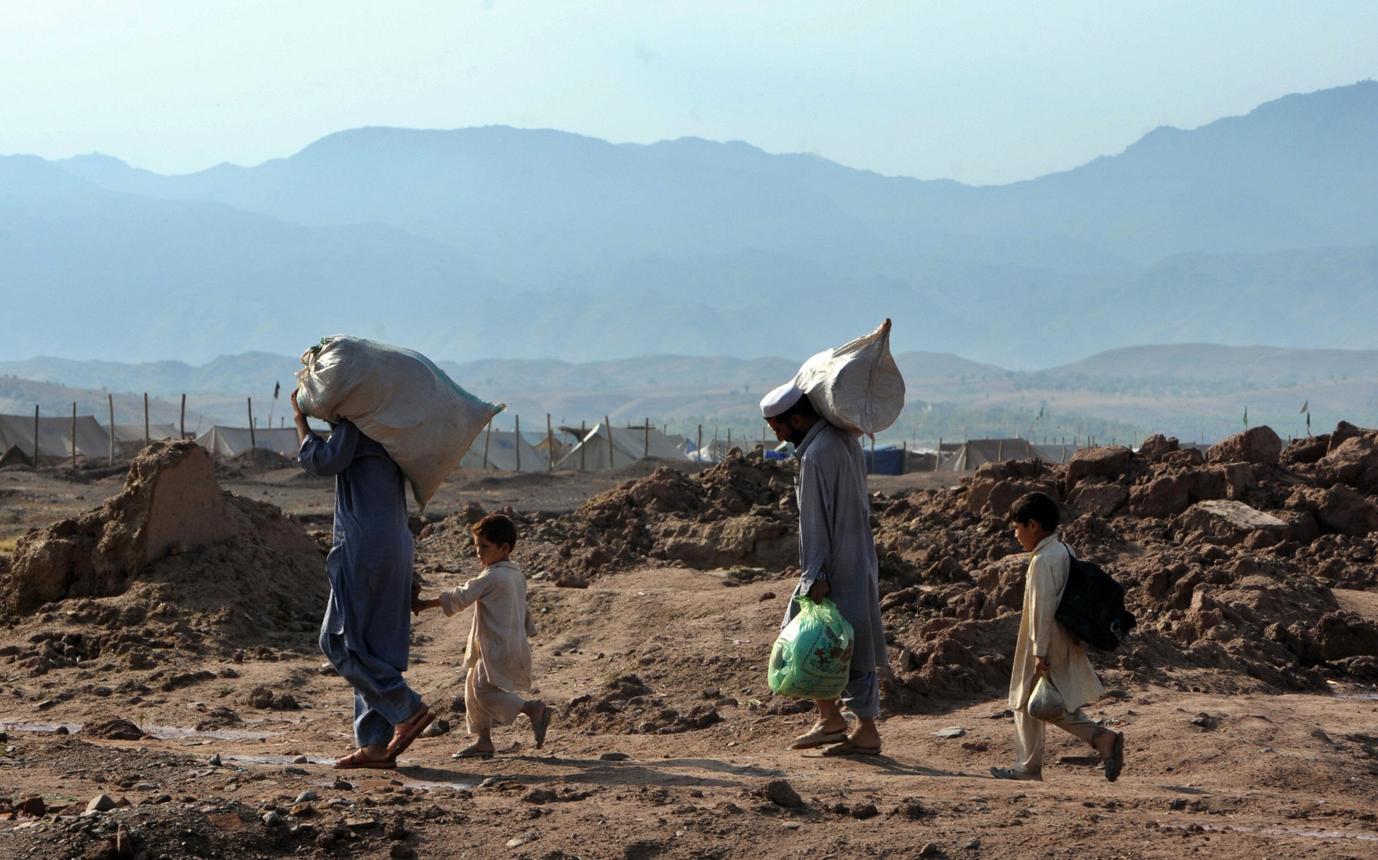
Pakistan faces several armed insurgencies, particularly in Balochistan and areas bordering Afghanistan.
Impact on civilians:
War crimes: Allegations include unlawful killings, enforced disappearances and attacks on civilians. The legal classification of particular incidents depends on the circumstances and applicable law.
War crimes are serious violations of international humanitarian law committed during armed conflict.
Examples include:
Not every civilian death is a war crime. The legality of an attack depends on factors such as whether the target was military, whether the attack was indiscriminate or disproportionate, and what precautions were taken.
Likewise, an allegation of a war crime is not the same as a court finding that a crime occurred.
SIPRI's 2026 assessment reported increasing concerns about violations of international humanitarian law, including sexual violence, child recruitment, starvation tactics and attacks on health services.
The human cost is enormous.
SIPRI estimated approximately 238,000 conflict-related deaths worldwide in 2025, based on data from the Armed Conflict Location & Event Data Project. It also reported that around 117.3 million people were displaced by mid-2025, although that figure includes displacement from causes beyond armed conflict alone.
The effects extend beyond those killed or injured.
Families lose their homes, children lose access to education, hospitals struggle to function, and people may spend years living as refugees or internally displaced persons.
Summary
The most prominent large-scale conflicts include:
| Conflict | Start | Principal civilian consequences |
|---|---|---|
| Ukraine | 2014; full-scale war in 2022 | Deaths, displacement, infrastructure destruction |
| Israel-Palestine | Long-running; Gaza war from 2023 | Mass casualties, displacement, humanitarian crisis |
| Sudan | 2023 | Mass displacement, hunger, atrocities |
| Myanmar | 2021 escalation | Displacement, airstrikes, civilian casualties |
| DRC | Decades; M23 escalation in 2022 | Displacement, sexual violence, attacks on civilians |
| Yemen | 2014 | Hunger, displacement, damaged infrastructure |
| Syria | 2011 | Displacement, destruction, continuing insecurity |
| Sahel | 2012 in Mali; later spread | Civilian attacks, displacement, food insecurity |
The common thread is that civilians bear a disproportionate share of the consequences of modern armed conflict. In many of these wars, credible evidence of serious violations has been documented, but legal responsibility must be established for each incident and each alleged perpetrator.

Comments (1)
Anonymous · 29 Sep 2026
How does war affect climate change
2dy.uk replied · 29 Sep 2026
Thanks, I will post in the next few hours
Add a comment
Your email address is needed so we can reply, and is never shown on the site. Comments appear here once they have been answered.