Wars result from complex combinations of political, economic, social and psychological factors rather than single causes
· Updated
· No. 68
The wider world - War and conflict - War
Wars typically arise from multiple interconnected factors including territorial ambitions, resource competition, ethnic tensions, geopolitical rivalries, historical grievances and leadership miscalculation.
Wars are complex and multifaceted events that arise from a combination of factors. Understanding why wars start requires examining historical, political, economic, social, and psychological elements. Here is a comprehensive overview of the various reasons that can lead to the outbreak of war:
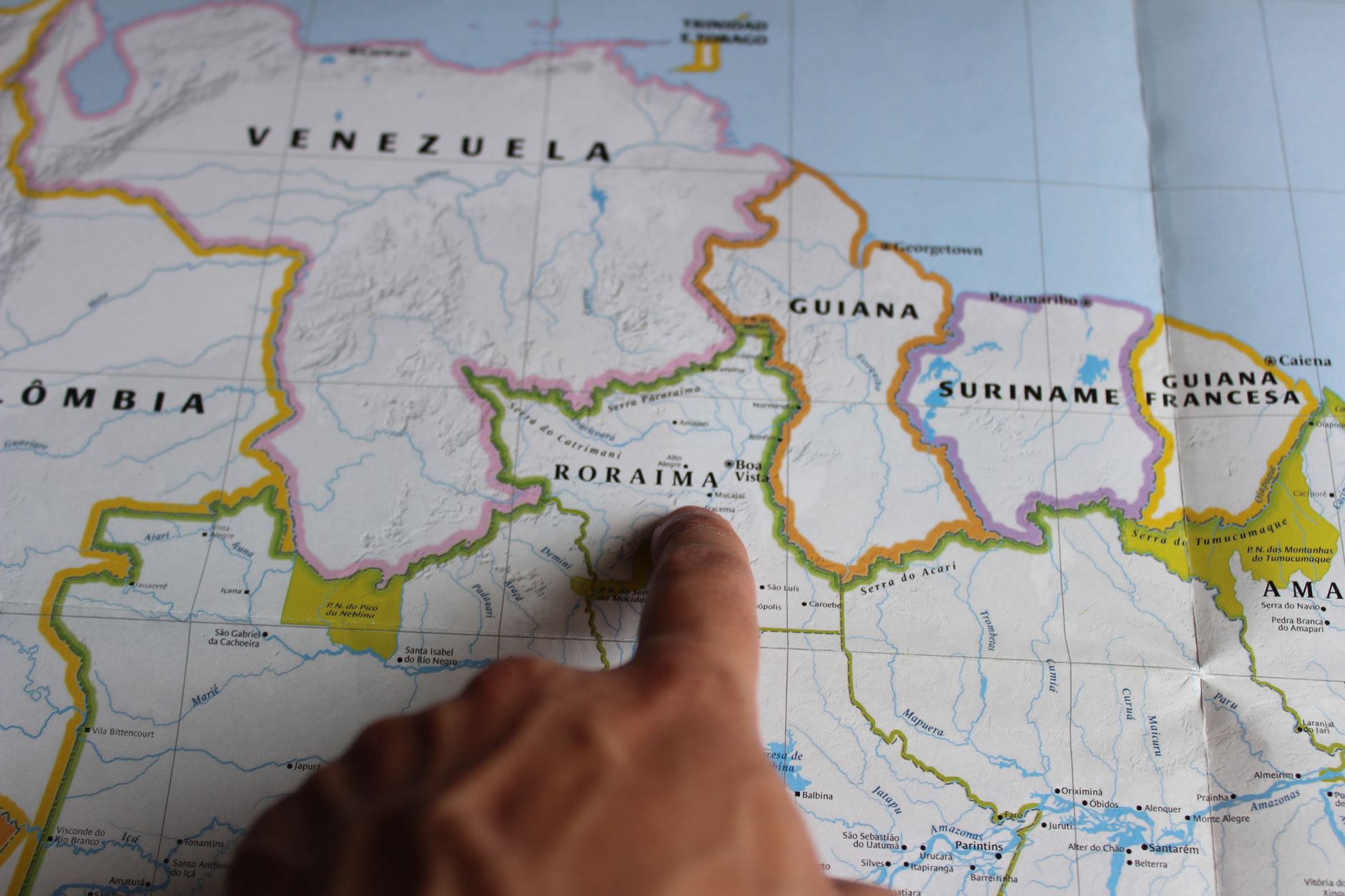
A map showing a disputed border region between two territories, illustrating territorial and resource competition Photo by Levy Marchetto on Pexels
1. Political and Territorial Ambitions
a. Expansionism and Imperialism
Desire for Territory: Nations may seek to expand their territory to increase their power and influence. This can lead to conflicts with neighboring countries.
Imperialism: Historical examples include the European colonial empires, where countries sought to control vast territories across the world.
b. Nationalism
Ethnic or National Pride: Nationalistic fervor can lead to conflicts, particularly when ethnic groups seek to form their own nation-states or when a nation seeks to assert its dominance over others.
2. Economic Factors
a. Resource Competition
Natural Resources: Competition over valuable resources such as oil, minerals, and water can lead to conflicts. Control of these resources can be crucial for national economies and military capabilities.
Trade Routes: Strategic trade routes and access to markets can also be a source of conflict.
b. Economic Sanctions and Trade Disputes
Economic Pressure: Sanctions and trade disputes can escalate into military conflicts if one nation feels its economic survival is threatened.
3. Social and Cultural Tensions
a. Ethnic and Religious Conflicts
Sectarian Violence: Deep-seated ethnic or religious differences can lead to violence, particularly when one group feels oppressed or threatened by another.
Cultural Clashes: Differences in cultural practices and values can also contribute to tensions and conflict.
b. Human Rights Violations
Oppression: Governments that oppress their populations may face internal rebellion, which can escalate into civil war.
Genocide and Ethnic Cleansing: Attempts to eliminate ethnic or religious groups can provoke international intervention and broader conflicts.
4. Geopolitical Strategies
a. Balance of Power
Alliances: The formation of military alliances can create a balance of power that, when disrupted, can lead to war. The prelude to World War I is a prime example.
Deterrence: Nations may engage in conflicts to prevent potential threats from growing stronger.
b. Proxy Wars
Superpower Rivalries: During the Cold War, the United States and the Soviet Union often engaged in proxy wars, supporting opposing sides in conflicts around the globe to expand their influence.
5. Historical Grievances and Revenge
a. Revenge and Retribution
Historical Wrongs: Historical grievances, such as previous wars, territorial losses, or perceived injustices, can lead nations to seek revenge or reparation.
Treaty Violations: Violations of treaties or agreements can reignite old conflicts.
6. Psychological and Leadership Factors
a. Leadership Ambitions
Authoritarianism: Dictators and authoritarian leaders may start wars to consolidate power, distract from domestic issues, or achieve personal glory.
Misjudgment: Miscalculations or misinterpretations of other nations' intentions can lead to unintended conflicts.
b. Public Opinion and Propaganda
Manipulation: Leaders may use propaganda to manipulate public opinion and generate support for war.
Patriotism: Governments can harness patriotism and fear to justify military actions.
7. Accidental and Preemptive Wars
a. Accidental Escalation
Unintended Incidents: Accidents, misunderstandings, and miscommunications can lead to unintentional conflicts that escalate into full-scale wars.
Provocations: Deliberate provocations by third parties can also ignite conflicts between nations.
b. Preemptive Strikes
Anticipated Threats: Nations may launch preemptive strikes if they believe an attack is imminent or unavoidable, aiming to neutralize the threat before it materializes.
Conclusion
Wars are rarely caused by a single factor; rather, they result from a complex interplay of various motives and circumstances. Understanding these causes can help in developing strategies to prevent conflicts and promote peace. International diplomacy, conflict resolution mechanisms, economic cooperation, and cultural exchange are vital tools in addressing the underlying issues that lead to wars.
Comments
No answered comments yet. Yours could be the first.
Add a comment
Your email address is needed so we can reply, and is never shown on the site.
Comments appear here once they have been answered.

Comments
No answered comments yet. Yours could be the first.
Add a comment
Your email address is needed so we can reply, and is never shown on the site. Comments appear here once they have been answered.